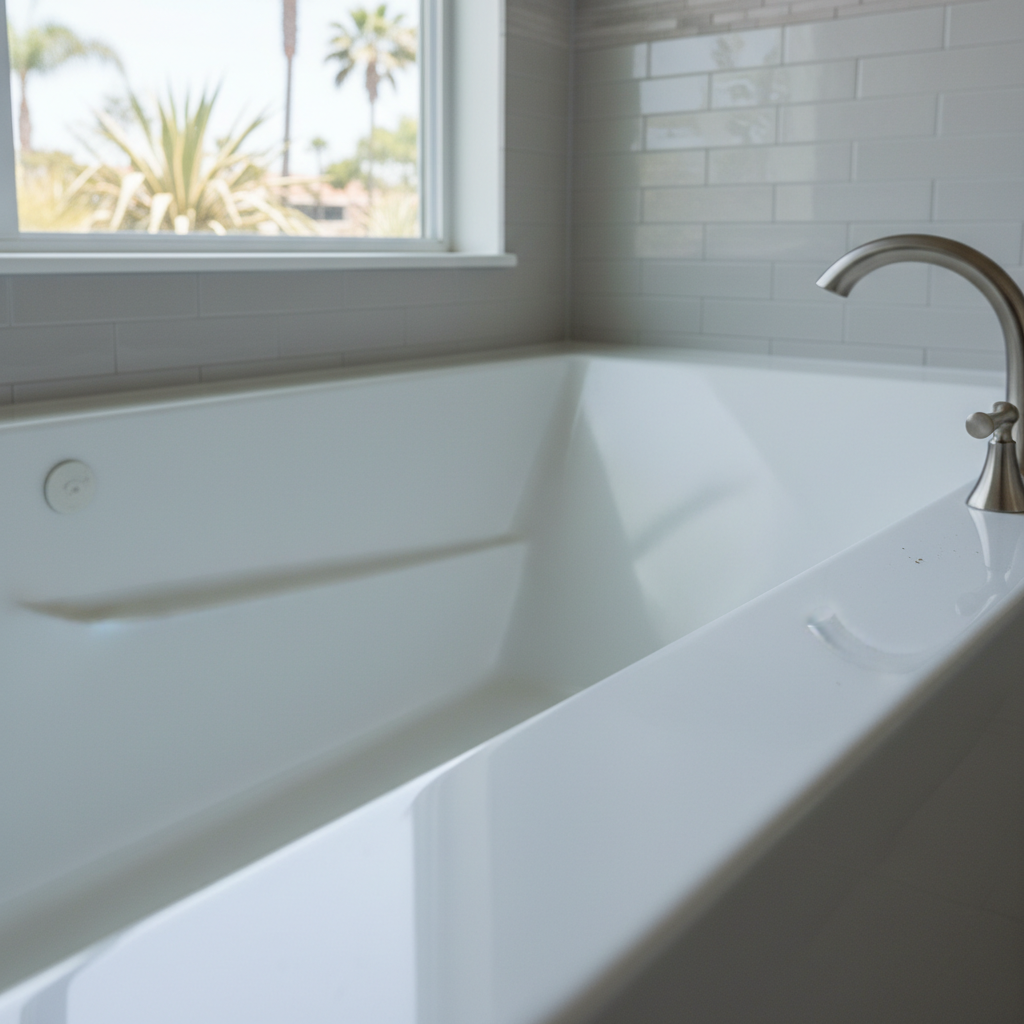
Is it really worth replacing my old bathtub, or should I just refinish it?
That’s a question I get a lot, especially from folks in older homes around the Bolsa Chica area. Look, refinishing can seem like a quick fix, and sometimes it is, for a little while. It’s basically applying a new coating over your existing tub. Sure, it can hide stains and chips, and it’s definitely cheaper upfront. But here’s the deal: that coating isn’t as durable as the original tub surface. It can chip, peel, or scratch again, sometimes in just a few years, particularly with regular use and harsh cleaners. If your tub has structural issues—like cracks, leaks, or it’s just plain uncomfortable—refinishing won’t fix that. Replacing it, on the other hand, gives you a brand new, solid surface. That’s built to last, often with better insulation and a more modern look. You also get to pick the exact style, size, and material you want. So, if you’re looking for a long-term solution and want to truly upgrade your bathroom, replacement is almost always the better investment.
How long does a typical bathtub replacement project actually take?
Most homeowners are worried about being without a shower for too long, and I get it. We all need our daily routine, right? For just a straight bathtub replacement – meaning we’re taking out the old tub and putting a new one in its place, without moving walls or major plumbing reroutes – you’re usually looking at about 2-3 days of actual work. Day one is typically demo and getting the old tub out, then prepping the area. Day two is setting the new tub, connecting plumbing, and maybe starting on the surround. Day three might be finishing the surround, grouting, and final cleanup. Now, if you’re also doing tile work around the tub, or if we run into unexpected plumbing issues – which happens sometimes in older Huntington Beach homes, especially when dealing with original galvanized pipes – that can add a day or two. But for the tub itself, it’s a pretty quick turnaround. We always try to minimize disruption and get you back to normal as fast as possible.
What are my options for bathtub materials, and which one is best?
You’ve got a few main choices, and each has its pros and cons. The most common are acrylic, cast iron, and fiberglass. Acrylic tubs are popular because they’re lightweight, affordable, and come in tons of shapes and sizes. They hold heat pretty well and are easy to clean. Fiberglass is similar but generally less durable and can flex a bit more. Then you’ve got cast iron. These tubs are heavy, super durable, and hold heat incredibly well, making for a luxurious soak. They’re also more expensive and require a strong floor to support their weight. For a lot of folks, especially those looking for a good balance of cost, durability, and style, acrylic is a fantastic choice. If you’re really after that high-end, long-lasting feel and don’t mind the extra cost and weight, cast iron is hard to beat. There’s no single “best” material; it really depends on your budget, how you use your tub, and the overall style you’re going for in your bathroom.
Will I need to replace my shower walls if I replace my tub?
Most of the time, yes, you will. When we pull out the old tub, the shower walls, especially if they’re tiled, are usually set right on top of the tub flange. Trying to remove the tub without damaging the lower course of tile or the waterproofing behind it is almost impossible. Even if you have a fiberglass or acrylic surround, separating it cleanly from the tub is a big challenge. Plus, if you’re putting in a new tub, you’ll want a fresh, watertight seal with the new walls. It’s an opportunity to update the look and make sure everything is properly waterproofed. It’s not just about aesthetics; it’s about preventing leaks and future headaches. So, plan on new shower walls or a new surround when you’re replacing the tub.
What’s the average cost for a bathtub replacement in Huntington Beach?
That’s the million-dollar question, right? And honestly, it varies a lot. For a basic tub replacement – let’s say an acrylic tub, new plumbing fixtures, and a simple acrylic or fiberglass surround – you might be looking at anywhere from $3,500 to $7,000. If you’re upgrading to a heavier cast iron tub, going with custom tile for the surround, or need extensive plumbing work, that cost can easily go up to $8,000 to $12,000 or even more. Things like moving drain lines, repairing subflooring, or choosing high-end fixtures will all impact the final price. I always give a detailed quote after seeing the space, because every bathroom is a little different, especially with the variety of home ages we have here in HB. Don’t just go for the cheapest quote; make sure you understand what’s included and that the contractor is reputable. At Huntington Beach Bathroom Solutions, we break down all the costs clearly so there are no surprises.
Do I need a permit for a bathtub replacement?
Yep, you usually do. Any time you’re messing with plumbing, especially drains and water supply lines, the city of Huntington Beach wants to make sure it’s done to code. This isn’t just red tape; it’s for your safety and to ensure the work is done correctly. A permit means an inspector will come out and check the work, verifying that the plumbing is sound and won't cause issues down the line. A good contractor will handle all the permitting for you. If a contractor tells you a permit isn’t needed for a full tub replacement, that’s a big red flag. It means they’re either cutting corners or don’t know the local rules, and you could end up with problems when you go to sell your house or if something goes wrong.
What about accessibility? Can I get a walk-in tub?
Absolutely. Accessibility is a big concern for many homeowners, especially as we plan to age in place. Walk-in tubs are definitely an option, and they’ve come a long way in terms of design and features. They’re designed with a low threshold or a door that swings open, making it much easier and safer to get in and out without stepping over a high tub wall. Many also come with built-in seats, grab bars, and even hydrotherapy jets. The installation is a bit more involved than a standard tub because of the door mechanism and often larger size, which might require some adjustments to your existing plumbing or even the bathroom layout. They also tend to be more expensive than a regular tub. But for folks with mobility challenges, or those proactively planning for the future, a walk-in tub can be a fantastic and life-changing investment. We can certainly discuss the best options for your specific needs and bathroom layout.